
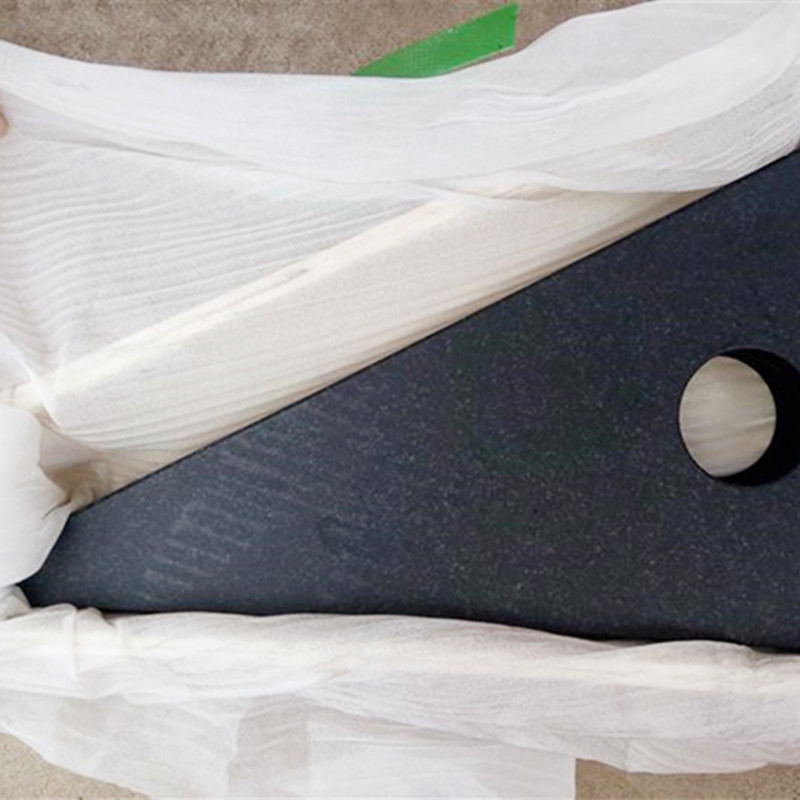
black bathroom mirror rectangle
The Importance of Spirit Levels in Construction and DIY Projects When embarking on a construction or DIY project, precision is paramount. Whether you're hanging a picture frame, building a new shelf, or erecting a fence, ensuring everything is level is crucial for both aesthetic appeal and structural integrity. This is where spirit levels come into play. With a variety of spirit levels for sale, it’s essential to understand their importance, types, and how to choose the right one for your needs. Understanding Spirit Levels A spirit level, also commonly known as a bubble level, is a tool designed to indicate whether a surface is horizontal (level) or vertical (plumb). Most spirit levels contain one or more vials filled with liquid, with a bubble that moves within the vial. When the bubble is centered between two marked lines, the surface is perfectly level. This simple yet effective tool has been a staple in construction and carpentry for centuries. Types of Spirit Levels When searching for spirit levels for sale, you’ll encounter several different types, each suited for specific tasks 1. Standard Spirit Levels These are the most common levels, often made of aluminum or plastic. They typically come in lengths ranging from 24 inches to 48 inches and are ideal for general construction tasks. 2. Torpedo Levels Compact and portable, torpedo levels are around 6 to 10 inches long and are perfect for tight spaces. They are often used for plumbing and leveling smaller objects. 3. Digital Levels These modern devices use electronic sensors to provide a numerical readout of levelness. Digital levels often feature backlit displays and can even store measurements for later reference, making them a favorite among professionals. 4. Masonry Levels Featuring a thicker body and often a longer length, masonry levels are used in bricklaying and other masonry tasks. They are designed to withstand the rough conditions of construction sites. spirit levels for sale 5. Line Levels Used primarily for checking the level of long distances, line levels are small, lightweight devices that hang on a taut string . They are particularly useful when setting up fences or grading land. How to Choose the Right Spirit Level Choosing the right spirit level depends on your specific requirements. Here are a few tips to help guide your decision - Consider the Project Size For large projects, a longer level will provide more accuracy over distance. For smaller tasks, a torpedo or pocket level may suffice. - Material Matters Aluminum levels are lightweight and durable, making them ideal for most users. However, if you're working on a site with extreme conditions, look for a heavier, more robust option. - Look for Accuracy Check for levels with a proven track record of accuracy. Most professional-grade levels come with a calibration certificate. - Bonus Features Some levels now come with built-in magnets for easy attachment to metal surfaces or a bubble indicator that glows in the dark—a helpful feature for low-light conditions. Conclusion A spirit level is an indispensable tool for anyone engaged in construction, woodworking, or DIY projects. The market offers a variety of spirit levels for sale, catering to the diverse needs of professionals and hobbyists alike. By understanding the different types of levels and choosing the right one for your specific tasks, you can ensure greater precision and enhance the quality of your work. Investing in a good spirit level will pay dividends in accuracy and satisfaction, providing a solid foundation for all your projects. So next time you pick up your tools, don’t forget to include a reliable spirit level in your toolkit.
about
black bathroom mirror rectangle
The Spirit Level An Essential Tool for Precision Measurement The spirit level, also known as a bubble level, is an indispensable tool used across various industries and applications to ensure accuracy and precision in construction and carpentry. This simple yet effective instrument enables users to ascertain whether a surface or line is horizontal (level) or vertical (plumb). Its design has remained relatively unchanged since its inception, proving that sometimes the simplest solutions are the most effective. History and Development The origins of the spirit level can be traced back to ancient civilizations. The earliest forms of the level were made using water-filled troughs or even simple wooden beams aligned with the horizon. However, the modern spirit level, featuring the famous glass tubes filled with liquid and a gas bubble, began to take shape in the 17th century. The design of the level is credited to mathematician and astronomer Henri de Levallois, and over the years, various advancements have led to increased accuracy and user-friendliness. Today, spirit levels come in various forms, including the traditional bubble level, digital levels, and laser levels. Each type offers unique benefits catering to different user needs, from professional construction workers to DIY enthusiasts. How It Works At its core, a spirit level operates based on the principle of gravity. The glass tube in a spirit level is partially filled with a colored liquid, typically alcohol or a similar fluid, which creates a bubble inside. When the tool is placed on a surface, gravity pulls the bubble toward the highest point of the tube. For a surface to be level, the bubble must sit perfectly between the marked lines on the level. If the bubble is not centered, adjustments can be made to the surface until it is correct. spirit level measuring tool Digital spirit levels take this a step further by providing readings on an LCD screen, allowing for more immediate and precise measurement. Laser levels, meanwhile, project a straight line of light along surfaces, making them ideal for larger projects. Applications in Various Fields The versatility of spirit levels makes them useful in multiple applications. In the construction industry, they are essential for ensuring walls, ceilings, cabinets, and other structures are level and plumb. This is crucial not only for aesthetics but also for structural integrity. An unlevel foundation can lead to significant issues down the line, impacting the safety and durability of a building. In woodworking, spirit levels help ensure accurate cuts and alignments, particularly when building furniture or cabinetry. Even in artistic applications, such as sculpture or installation art, maintaining a precise level can enhance the overall effect and presentation of the work. Conclusion The spirit level is more than just a basic tool; it symbolizes the importance of accuracy in both professional and personal projects. Whether one is working on a major construction site or hanging a picture frame at home, the spirit level guarantees that tasks are performed with precision and care. As technology continues to advance, the spirit level remains a staple in any toolkit, proving that a simple mechanism can greatly influence the quality of work across countless applications. Its enduring presence throughout history underscores the vital role of precision in construction, craftsmanship, and beyond.
-

High quality industrial productsagement

High quality industrial products
View Details -

Meet the diverse needs of customers

Meet the diverse needs of customers
View Details -

Strict quality control

Strict quality control
View Details -

Top raw materials

Top raw materials
View Details -

Trusted supplier

Trusted supplier
View Details
Our application

news and information
water shutoff valve
Understanding Water Shutoff Valves An Essential Home Component Water shutoff valves are crucial comp
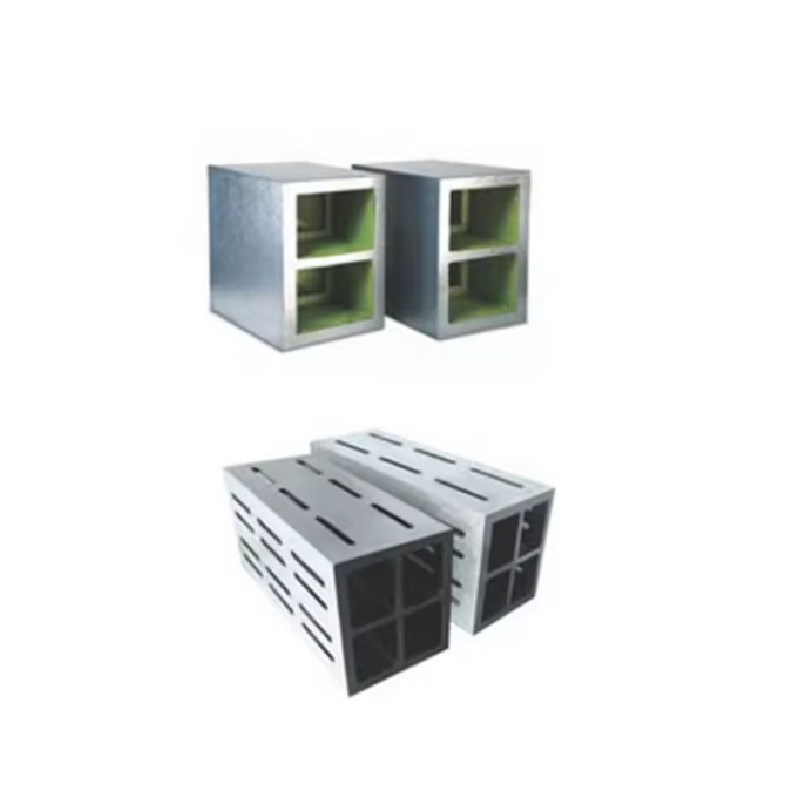
Wooden joist hanger connectors for secure structural support.
The Importance of Wood Joist Hangers and Connectors in Construction Wood joist hangers and connecto
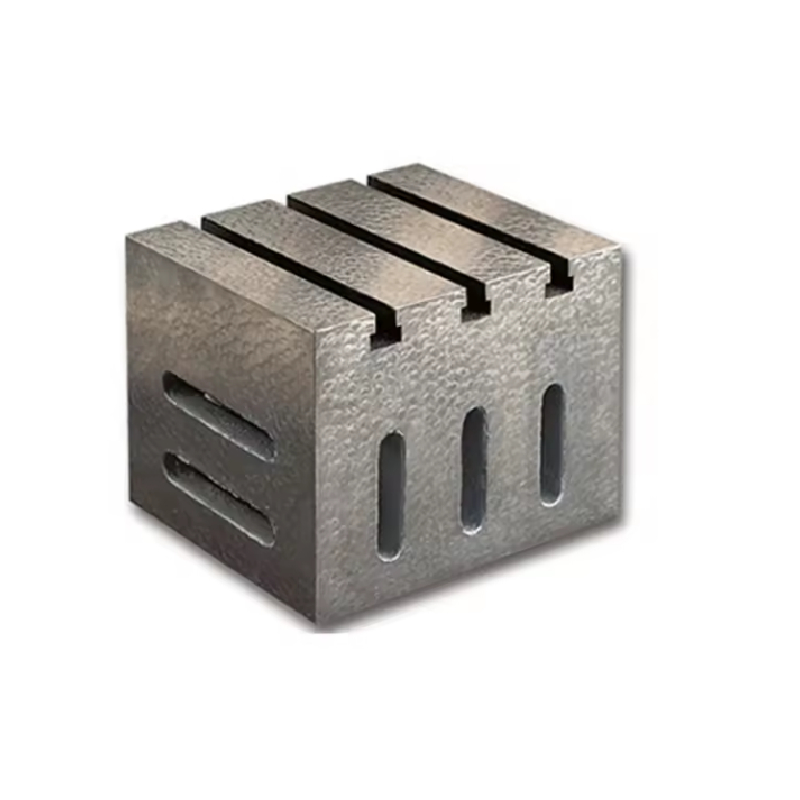
Van nước mở hoặc đóng
Van nước Bật hay Tắt? Trong cuộc sống hàng ngày, van nước đóng vai trò cực kỳ quan trọng. Chúng khôn
 English